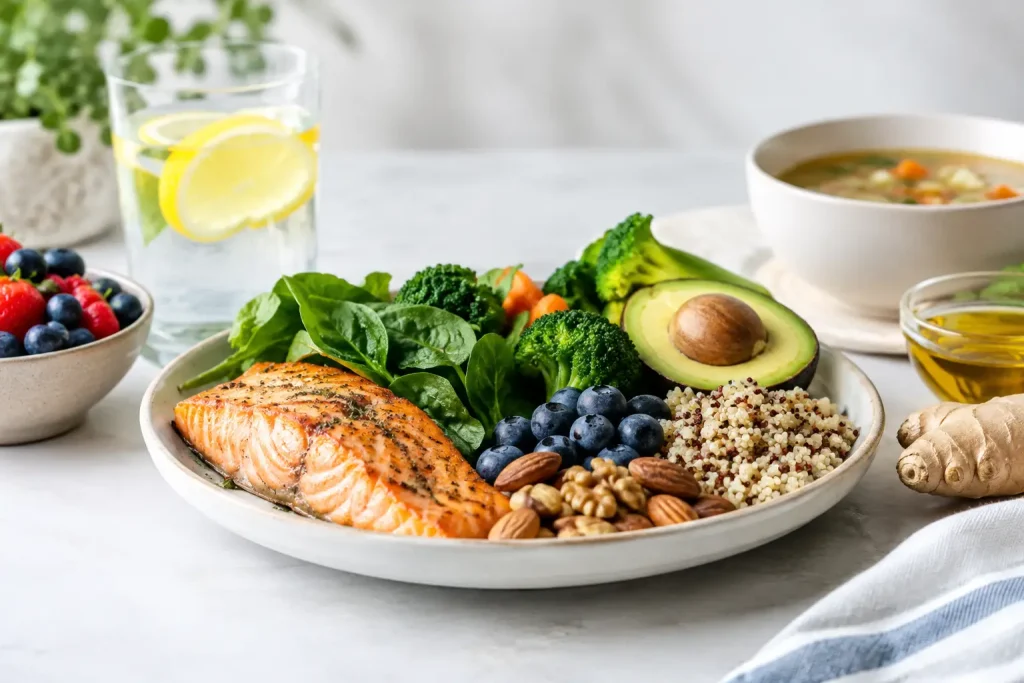
A tooth extraction can bring fast relief from pain, infection, or a damaged tooth, but the first few days afterward require a little patience. Choosing the right post extraction foods protects the healing area, helps you stay nourished, and can make recovery more comfortable. The goal is simple: eat foods that are soft, cool or lukewarm, and unlikely to disturb the blood clot forming in the socket.
That clot is a protective covering over the extraction site. If it comes loose too soon, the bone and nerves underneath can become exposed, causing a painful condition called dry socket. Eating carefully is one practical way to lower that risk while your mouth heals.
What to Eat After a Tooth Extraction
For the first 24 hours, stick to foods that require little to no chewing. Cool foods may also feel soothing if you have swelling or tenderness. Good choices include smooth yogurt without granola or fruit pieces, applesauce, pudding, gelatin, mashed avocado, and blended soups that have cooled to lukewarm.
Protein and fluids matter, too. Healing tissues need fuel, and it is easier to feel weak or nauseated if you skip meals after an extraction. Try a protein-rich yogurt, smooth scrambled eggs once you are ready for warm soft foods, or a meal-replacement drink taken from a cup or spoon.
Avoid drinking through a straw. The suction can pull on the blood clot, even if the drink itself is soft and healthy. Sip gently from a cup instead.
Day One: Cool, Smooth, and Easy
The first day is about protecting the extraction site. You may still have numbness from anesthesia, so be careful with hot foods and drinks. You could accidentally burn your mouth without realizing it.
Choose foods that do not have seeds, crumbs, sharp edges, or small pieces that can collect near the socket. A smoothie can be a good option if it is blended completely smooth and eaten with a spoon or sipped normally. Skip berries with tiny seeds, chia seeds, and crunchy add-ins during this early stage.
If you are managing discomfort with medication, having a few bites of soft food before taking it may help prevent stomach upset. Follow your dentist’s instructions about when and how to use any prescribed or over-the-counter pain medicine.
Post Extraction Foods for Days Two Through Seven
After the first day, many patients can slowly add more satisfying soft foods. Your comfort level, the location of the extraction, and whether the procedure was simple or surgical all matter. A wisdom tooth removal or multiple extractions often requires a slower transition than a straightforward extraction of one tooth.
Soft, nourishing options for the next several days include:
- Mashed potatoes or sweet potatoes, served lukewarm
- Scrambled eggs, soft omelets, or finely chopped egg salad
- Oatmeal or cream of wheat after it has cooled
- Cottage cheese, ricotta, or smooth hummus
- Macaroni and cheese, soft pasta, or well-cooked noodles
- Flaky fish, tender shredded chicken, or soft-cooked ground turkey
Chew on the opposite side of your mouth whenever possible. Take small bites, go slowly, and rinse gently with water after meals if your dentist has told you it is safe to do so. Many patients are advised to begin gentle warm salt-water rinses 24 hours after extraction, but your personal aftercare instructions should always come first.
Easy Meal Ideas When You Do Not Feel Like Cooking
Recovery is not the time to force yourself through a crunchy salad or a difficult sandwich. A bowl of mashed sweet potato with soft scrambled eggs can provide carbohydrates and protein without much chewing. Blended vegetable soup with no chunks is another comforting option. For a more filling meal, try tender pasta with a smooth sauce and finely shredded chicken.
Families caring for a child after an extraction can keep it simple: applesauce, yogurt, mashed potatoes, and soft pasta are usually familiar choices. Watch children closely while numbness wears off, since they may bite their cheek, lip, or tongue by accident.
Older adults with dentures, implants, or existing chewing concerns may need extra time with soft foods. This is normal. Choose foods that are easy to manage and do not rush back to tougher textures just because several days have passed.
Foods and Drinks to Avoid While Healing
Certain foods can irritate the extraction site, get trapped in the socket, or place too much pressure on it before healing is complete. For at least several days, and longer if your dentist recommends it, avoid crunchy chips, popcorn, nuts, crackers, crusty bread, and raw vegetables. Rice, seeds, and small grains can also be troublesome because they may lodge in the healing area.
It is also wise to avoid spicy foods, acidic citrus drinks, and very hot coffee or soup at first. They can sting sensitive tissue or increase bleeding. Alcohol should be avoided, especially if you are taking prescription pain medication or antibiotics. Smoking and vaping are major concerns because they can slow healing and significantly raise the chance of dry socket.
Chewy foods such as steak, jerky, bagels, caramel, and gummy candy can wait. Even if you feel better quickly, the extraction site may still be fragile underneath the surface.
How Long Should You Eat Soft Foods?
For many simple extractions, patients begin adding gentle, easy-to-chew foods after a few days and return to a more regular diet within about a week. Surgical extractions, impacted wisdom teeth, bone grafting, or several teeth removed at once may require a longer soft-food period.
Your body gives useful signals. If chewing causes throbbing, bleeding, sharp pain, or food keeps getting caught near the site, step back to softer foods and contact your dental office for guidance. Do not poke at the socket with a finger, toothpick, or utensil to remove food.
A gradual approach is safer than testing your limits too soon. Soft fish may be comfortable before chicken, and chicken may be easier before a sandwich. There is no prize for returning to crunchy foods early.
When Food-Related Pain May Signal a Problem
Some tenderness, mild swelling, and jaw stiffness are common after an extraction. Pain should generally improve over time, not become noticeably worse after a few days. Call your dentist if you have severe or increasing pain, a bad taste or odor in your mouth, fever, persistent heavy bleeding, swelling that worsens, or trouble swallowing or breathing.
Dry socket often causes intense, radiating pain two to five days after an extraction. It is treatable, but it needs professional care. Do not try to manage severe pain by changing your diet alone.
At Ventura Bright Dental, patients receive clear aftercare instructions tailored to their treatment, whether they need one tooth removed, emergency relief, or preparation for a future restoration. If you are unsure whether a food is safe or a symptom is normal, asking is always the right choice.
For now, keep meals soft, nourishing, and easy to chew. Each comfortable bite is a small step toward healing well and getting back to the foods you enjoy.