A mint may cover the smell for a few minutes, but persistent bad breath often has a reason worth finding. The most common bad breath causes begin in the mouth, where bacteria can collect on the tongue, around teeth, and below the gumline. The good news is that many causes are treatable, and getting clear answers can bring back the comfort and confidence to smile, talk, and get close to others without worry.
Common Bad Breath Causes
Bad breath, also called halitosis, is usually caused by odor-producing bacteria. These bacteria feed on food particles, dead cells, and proteins in the mouth, releasing sulfur compounds that create an unpleasant smell. A morning breath smell is normal after sleeping, especially if you breathe through your mouth. Breath that stays strong throughout the day, returns quickly after brushing, or comes with pain or bleeding needs more attention.
Plaque, Tartar, and Missed Areas
Brushing twice daily is a strong start, but it does not reach every surface. Food and plaque can remain between teeth, along the gumline, and in the grooves of the tongue. Flossing removes debris where a toothbrush cannot reach, while gently brushing or using a tongue cleaner can reduce bacteria on the back of the tongue.
When plaque hardens into tartar, it cannot be removed at home. Professional cleanings remove this buildup and give your dental team a chance to spot areas that may be harder for you to keep clean.
Gum Disease
Bleeding gums are not something to ignore. They can be an early sign of gingivitis, the first stage of gum disease. As gum disease progresses, bacteria can settle into deeper spaces between the teeth and gums, often causing a persistent odor or bad taste.
Other signs may include redness, swelling, tenderness, gum recession, loose teeth, or pus around the gums. Gum disease can develop quietly, especially in its early stages, which is why routine exams matter even when there is little or no pain. With timely periodontal care, many patients can control infection, protect their teeth, and improve breath.
Dry Mouth
Saliva does more than keep your mouth comfortable. It washes away food particles, helps control bacteria, and supports the natural balance of your mouth. When saliva is reduced, odor-causing bacteria have a better environment to grow.
Dry mouth can happen because of dehydration, mouth breathing, aging, certain medications, tobacco use, alcohol, or medical conditions. Coffee can also make a dry mouth feel worse for some people. Sipping water regularly may help, but ongoing dry mouth deserves a conversation with your dentist and, when appropriate, your physician. The right solution depends on what is causing it.
Cavities, Cracked Teeth, and Failing Dental Work
A cavity can trap food and bacteria. A cracked tooth, worn filling, loose crown, or bridge with gaps around it can do the same. Sometimes a bad smell or taste is the first clue that a restoration needs attention, even before a tooth becomes painful.
A dental exam can identify hidden decay and problem areas around existing dental work. Digital X-rays may be useful when the source is below the surface or between teeth. Treating the problem early is usually simpler and more comfortable than waiting for an infection or broken tooth to become an emergency.
Dentures, Retainers, and Aligners
Removable appliances need daily cleaning too. Dentures, retainers, and clear aligners can hold plaque, food particles, and yeast if they are not cleaned as directed. Wearing them overnight when they should be removed can also contribute to odor and gum irritation.
Follow your dentist’s instructions for your appliance. In general, rinse it after meals, clean it with products made for that purpose, and keep it in a clean storage case. Never use hot water on an appliance unless your dental team specifically tells you to, since heat can warp certain materials.
Food, Tobacco, and Other Temporary Triggers
Garlic, onions, strong spices, coffee, and alcohol can all affect breath. In some cases, odor does not come only from the mouth. After digestion, compounds from certain foods can enter the bloodstream and leave through the lungs when you exhale. Brushing can freshen your mouth, but it may not immediately erase that type of odor.
Tobacco and vaping products can create a lingering smell while also drying and irritating oral tissues. They increase the risk of gum disease and can make healing more difficult after dental treatment. Cutting back or quitting supports fresher breath, healthier gums, and overall health.
Crash diets and long periods without eating may also change breath. When the body breaks down fat for energy, it can produce ketones, which sometimes create a fruity or unusual odor. This is not the same as ordinary morning breath. If breath changes are sudden or accompanied by feeling unwell, seek medical guidance.
When Bad Breath May Point Beyond Your Mouth
Most persistent breath odor has an oral cause, but not always. Sinus problems, postnasal drip, tonsil stones, acid reflux, diabetes, kidney disease, and liver disease can sometimes contribute. Certain medications can also alter breath or reduce saliva flow.
That does not mean bad breath automatically signals a serious medical condition. It does mean that a dental visit is a sensible first step when the issue does not improve with consistent home care. If your teeth and gums appear healthy, your dentist can help determine whether it makes sense to follow up with a medical provider.
Call for prompt care if bad breath comes with facial swelling, fever, severe tooth pain, a pimple-like bump on the gums, trouble swallowing, or a bad taste that will not go away. These can be signs of a dental infection. Dental infections do not reliably resolve on their own, and fast treatment can protect your health and relieve pain.
What You Can Do at Home
A consistent routine often makes a noticeable difference within days. Brush for two full minutes twice a day using fluoride toothpaste, and clean between your teeth once a day with floss or another dentist-recommended tool. Clean your tongue gently, drink water throughout the day, and replace your toothbrush every three to four months or sooner if the bristles fray.
Sugar-free gum may help stimulate saliva after meals if dry mouth is a concern, but it is not a substitute for brushing, flossing, or treatment for gum disease. Be cautious with heavily scented mouthwashes. They can temporarily mask odor, and products containing alcohol may worsen dryness for some people. An alcohol-free rinse may be a more comfortable option, depending on your needs.
Avoid trying to solve ongoing bad breath by brushing aggressively. Hard brushing can irritate gums and wear enamel without reaching the real cause. Gentle, thorough care and regular professional cleanings are more effective.
When a Dental Visit Can Help
If bad breath lasts more than a couple of weeks despite good home care, schedule an exam. Bring up any related symptoms, including bleeding gums, dry mouth, tooth sensitivity, a bad taste, pain when chewing, or changes in a crown, denture, or implant. These details help your dental team find the source instead of simply covering the odor.
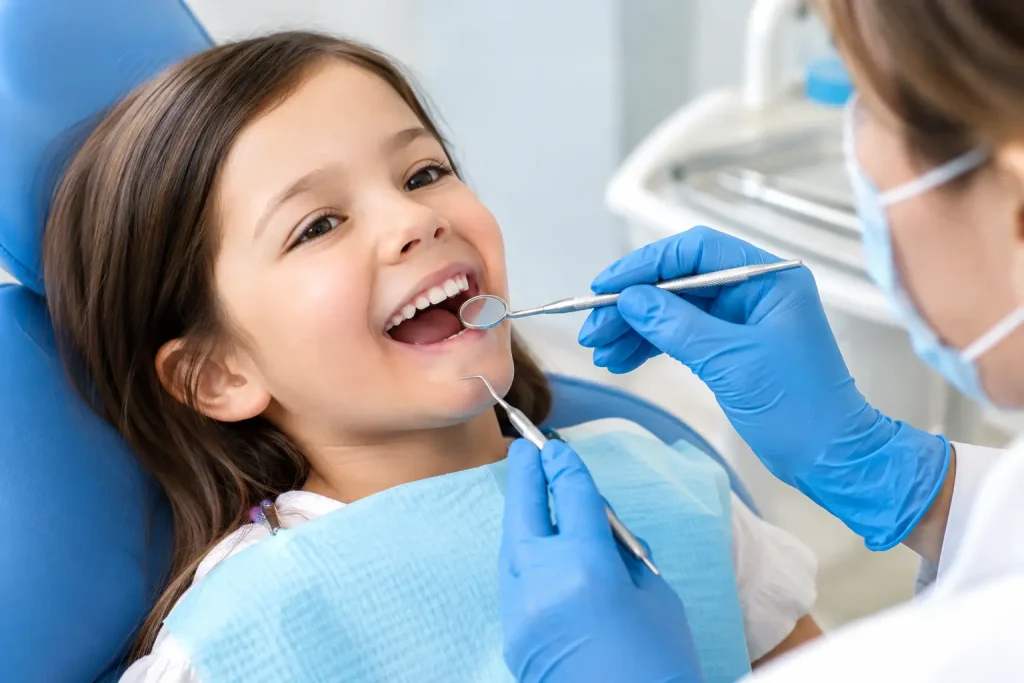
At Ventura Bright Dental, a visit can start with a comfortable exam and clear explanation of what is happening. Whether you need a cleaning, gum treatment, a cavity repaired, or guidance for dry mouth, the goal is straightforward: address the cause, protect your oral health, and help you feel confident in close conversations again.
Fresh breath is not about chasing a stronger mint. It is often a sign that your mouth is clean, comfortable, and getting the care it needs. If something feels off, listening to that signal now can make the next smile feel much easier.